
If we stop measuring, we start losing storage.
By Adrian Cunnington, Chair of the CIPC Residues Monitoring Group
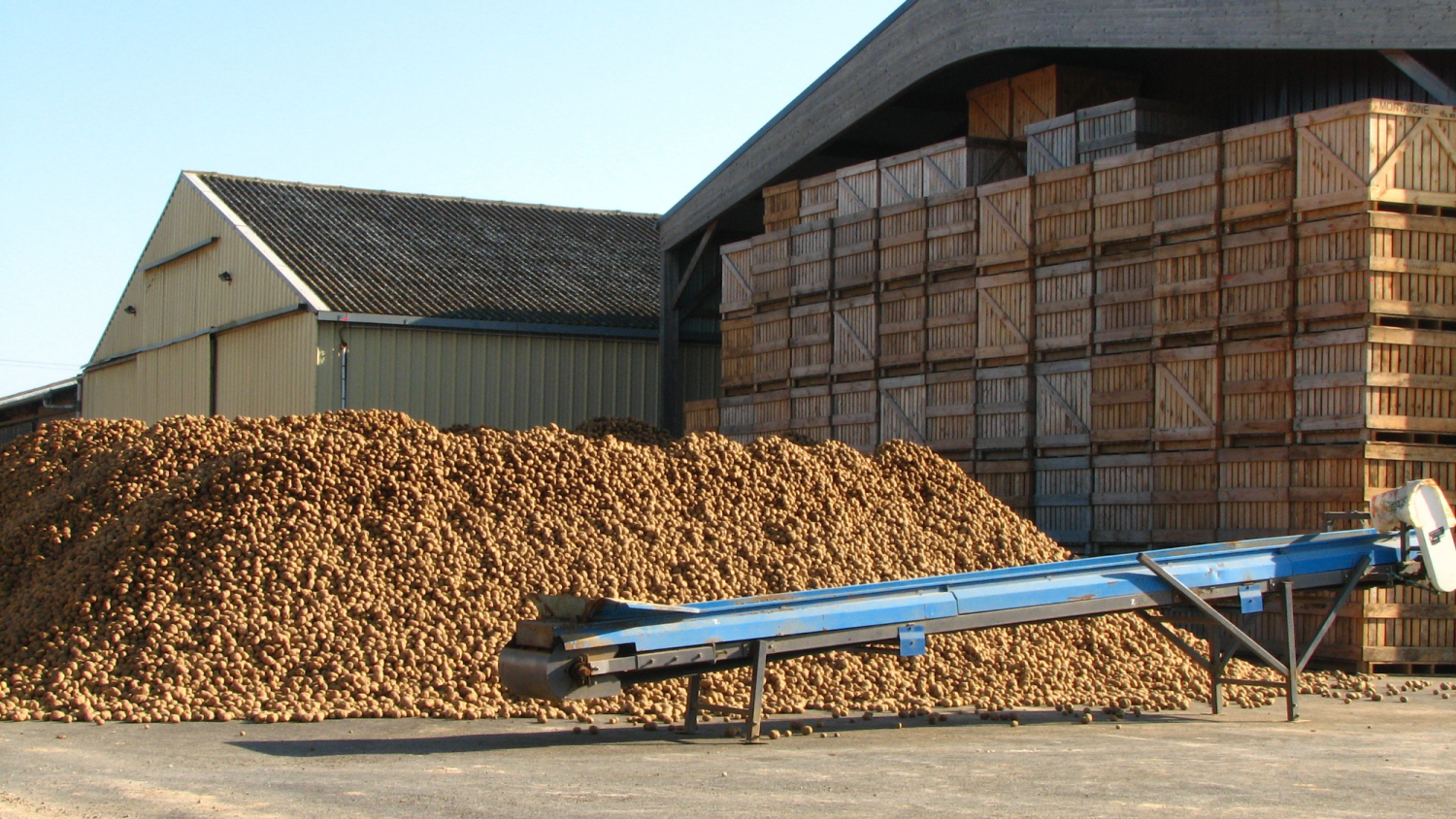
For several seasons now, the potato industry has been working through the legacy of CIPC. Much of the attention has, quite rightly, been on residue levels in stores that were historically treated. That focus was essential in the early years after withdrawal, but the latest monitoring results suggest the conversation needs to evolve.
The data continues to tell a reassuring story. Residues are still detected in some stores, yet levels keep falling and remain comfortably within the temporary Maximum Residue Level (tMRL) of 0.35 mg/kg. This aligns with what many growers and store managers are observing in practice, where improved store management, more rigorous cleaning and a better understanding of contamination pathways are steadily reducing background levels.
The issue now is not what the data shows, but whether we are collecting enough of it to sustain the regulatory position that allows these stores to remain in use.
The tMRL is reviewed annually and depends entirely on the industry demonstrating, with credible evidence, that residues remain within acceptable limits. Without that evidence, regulators have no basis on which to maintain it. This matters because a significant proportion of UK potato storage has some historical association with CIPC. If the tMRL were to lapse through lack of supporting data, many stores could fall outside compliance regardless of how low their actual residue levels may be. In effect, storage capacity would be at risk for administrative reasons rather than technical ones.
That is why the priority for the 2025/26 season is to strengthen the evidence base, drawing on results from potatoes stored for at least 60 days in facilities with a history of CIPC use. For many businesses, this does not require any change in practice; multi-residue testing is already part of routine assurance for a large share of the crop. The gap lies in the fact that these results are not always being shared as part of the wider dataset that underpins the tMRL.
Submitting them is a straightforward process. Results are accompanied by a small amount of contextual information about the store, and all data is anonymised before being passed to the regulator. The intention is to build a representative national picture, not to assess individual sites.
It is also worth recognising why residues continue to appear at all. Although CIPC has not been used since 2020, it persists within the fabric of stores where it was historically applied. This behaviour is well understood and explains why residues can still be detected even where current practice is exemplary. It also reinforces the importance of
end of season cleaning. Levels are declining, but the process is gradual and depends on consistent attention to detail year after year.
The industry has made steady progress in reducing residues and improving its understanding of how they behave in storage environments. The next step is ensuring that this progress is properly reflected in the data submitted to support the tMRL. Without a sufficiently robust dataset, the regulatory framework that currently allows these stores to remain in use becomes harder to justify, and the risk of losing storage capacity increases for reasons that have little to do with actual residue levels.
Data can be submitted to the CIPC Residues Monitoring Group by visiting the resource area on the GB Potatoes website. All submissions are anonymised, and only limited contextual information is required.

Stay Updated
Sign up to receive the latest news from the GB Potatoes executive team and from across the industry. Bringing you news and information on upcoming events fortnightly direct to your inbox.
Please contact us if you would like to include a news item.
Join our mailing list here: