If we’re serious about food security, we need to be serious about water security
James Harrison is a third-generation potato grower based at Hall Farm, Trimingham, on the North Norfolk coast. The Harrison family has been growing potatoes in Norfolk since 1963, with potato production remaining a cornerstone of the business for more than 60 years, producing processing, prepack and seed potatoes.
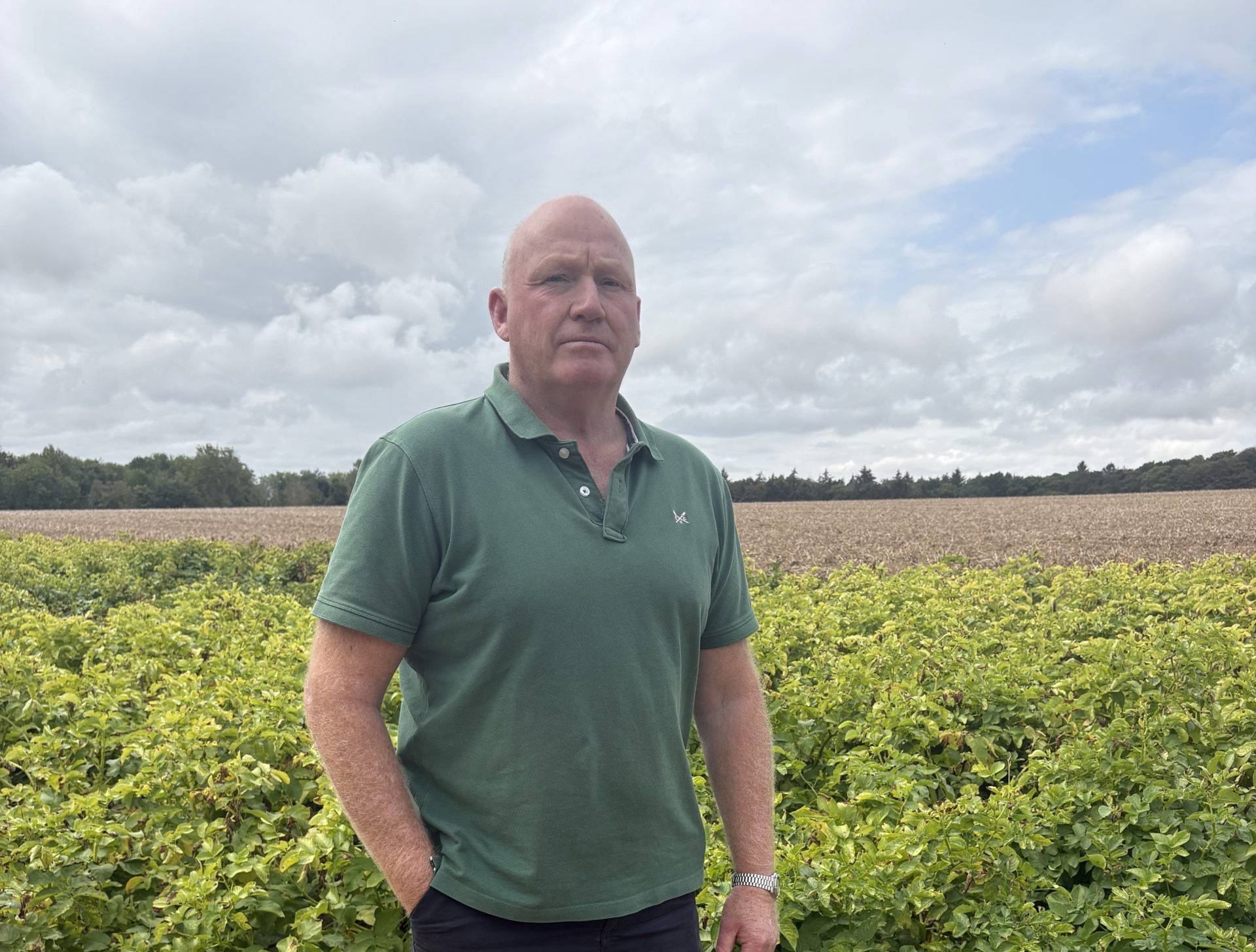
Here, James shares why water security has become one of the most pressing challenges facing the future of British potato production.
The UK’s potato sector is facing one of its biggest challenges yet, as growers grapple with increasingly dry conditions and growing competition for water resources.
For us, the conversation isn’t really about water at all. It’s about food. It’s about whether British growers can continue producing high-quality potatoes in a climate that has become increasingly unpredictable.
This season has shown just how vulnerable our industry can be when rainfall doesn’t come, and irrigation supplies run short. That’s why securing water for agriculture must become a national priority. For me, and many growers across the country, water is the biggest issue facing our businesses right now.
The fact that more than half of England and all of Wales are now officially in drought only reinforces the scale and urgency of the challenge.
Since planting here in Norfolk, we’ve had less than 50mm of rainfall, alongside repeated periods of extreme heat and drying winds. On unirrigated land, crops are already showing signs of stress, while even irrigated crops are vulnerable when reservoir levels begin to fall. Potatoes are an expensive crop to grow, around £8,500 – £9,000 per hectare, and without sufficient water, the impact isn’t just on yield. Quality can suffer too, creating challenges all the way through to harvest and storage.
But the issue isn’t simply about one difficult season. Across the east of England, food production is increasingly competing for water with housing, industry and environmental demands. As growers, we understand those pressures, but food production must remain part of the conversation. If we’re serious about food security, we need to be serious about water security too.
There are examples of what’s possible. I’m involved with a collaborative reservoir project in Norfolk, where several farms have worked together to capture surplus winter rainfall and store it for use during the growing season. Projects like this show the value of long-term thinking and cooperation, helping growers make better use of available water and build resilience against drier years.
The challenge is that reservoir projects require significant investment, lengthy planning processes and confidence that water will be available to fill them over the long term.
With drought now affecting large parts of the UK, the need for immediate action has never been clearer. Growers need support to invest in water infrastructure, including reservoirs that can capture surplus winter rainfall for use during increasingly dry summers. Grant funding, which used to exist, for reservoir development, alongside a more joined-up approach to planning and water licensing, would help unlock the long-term investment needed to protect food production.
Water scarcity isn’t a new issue, but seasons like this make it impossible to ignore. The risk is that once the rain returns, the urgency fades. We can’t afford to let that happen. The focus now must be on future-proofing water supplies for agriculture so that British growers can continue producing food sustainably, competitively and securely for generations to come.
-Ends-
Media and Press: Rebecca Dawes or Katie Insch – gbpotatoes@jcmandco.media
Stay Updated
Sign up to receive the latest news from the GB Potatoes executive team and from across the industry. Bringing you news and information on upcoming events fortnightly direct to your inbox.
Please contact us if you would like to include a news item.
Join our mailing list here: