Potato partnerships key to variety development
Close co-operation with potato packing and processing companies is helping growers develop new varieties that are meeting the demands of consumer for more resilient and nutritious potatoes. In this special GB Potatoes feature, we find out more.
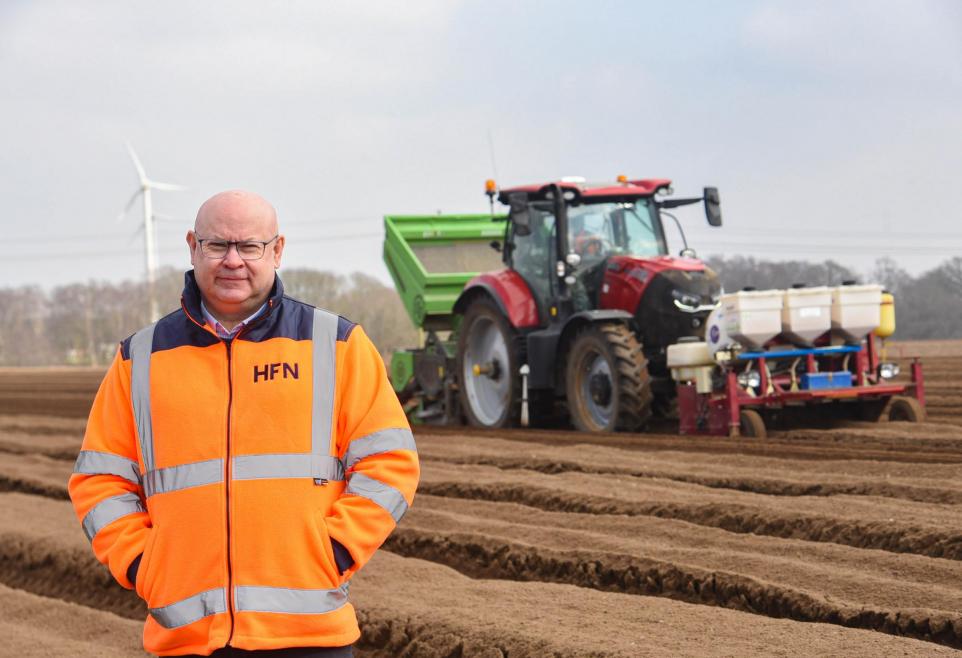
Andrew Francis has been a fan of the collaborative approach for years and continues to use it in his role as managing director of Home Farm Nacton, near Ipswich, Suffolk.
“I think it is really important that growers can be involved in the development of a new variety as soon as possible,” he says.
“It means that both a variety’s potential and any problems can be identified as soon as possible, but it needs to be a collaborative approach to make sure all partners get the most out of it. A trial might be going well, but after thee or four years a problem might come out of the woodwork.
“In the past, I’ve worked with McCain to try out a new variety and they provide a supported area payment that takes account the risk and cost of planting a new variety. We are now working with a number of packers including Branston, Manor Fresh, Burgess Farms and Greenvale.”
As well as developing new varieties, the farm is also working with Manor fresh on behalf of Marks & Spencer to improve Maris Piper, a variety for which there is still considerable consumer demand. While the support of packers and retailers is essential, Andrew also values the networks of other growers carrying out trials who he can share ideas with.
“Workshops and open forums mean you can learn a lot from each other, identify problems and discuss possible solutions.”
Andrew is the chair of the LEAF Marque Technical Advisory Committee, which is made up of growers, packers, retailers and environmental organisations. He says that working with others across the supply chain helps ensure that the standard is one that delivers improved environmental outcomes without compromising the economics of the farming operation.
But what does he think growers need in a new variety?
“Firstly, there has to be a market for a new variety, so taste, nutritional quality and processing or cooking quality are very important.”
“Then we are looking for a variety that is robust and resilient. In particular resilience against pests such as PCN is very important at a time when threats are increasing and the number of chemical controls are reducing. As ever, resistance to blight is also important.”
Andrew believes that the reduction in chemical controls is coming at a time when a changing climate is making growing potatoes more challenging, which increases the need for robust and resilient varieties.
“In the last few seasons we have seen late and wet springs; then there was last year’s drought and it has been one of the wettest starts to the year on record. We can now expect to have to endure at least one extreme weather event or pattern in every growing season. What makes it challenging is not knowing whether that will be too much or too little water and when in the season there will be a weather or climate problem.”
Although potato-growing is not for the faint-hearted, Andrew still believes there are plenty of rewards in producing the crop.
“Potatoes are still a key crop in our rotation, and although growing them can be challenging, it can also be very rewarding.”
This is a member exclusive article, please login, or if you are not a member, why not join us.
Stay Updated
Sign up to receive the latest news from the GB Potatoes executive team and from across the industry. Bringing you news and information on upcoming events fortnightly direct to your inbox.
Please contact us if you would like to include a news item.
Join our mailing list here: