World leading rotations strengthen British potato industry
Robust and long potato rotations are improving the resilience of British potato production and delivering large volumes of sustainably produced food, a new report from GB Potatoes shows.
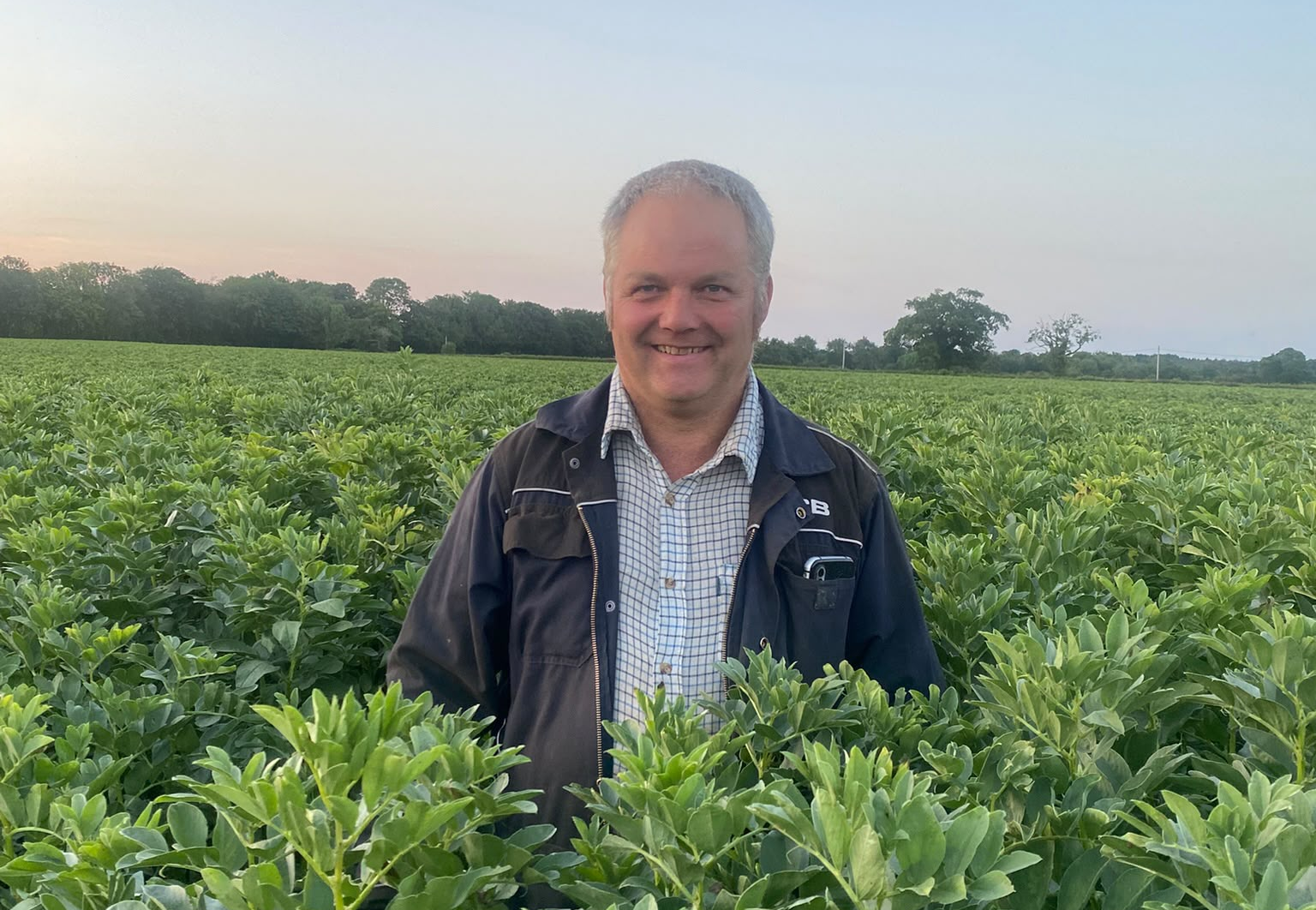
“Potatoes are key to many rotations with the growers I work with,” says, agronomist Mark Taplin, at Harvest Agronomy, based in Shropshire.
“Without them, and a reliance on cereal crops means that the economic performance of the farm can be very marginal at the moment.”
Calculations by fellow potato agronomist Mark Stalham show that a potato-based rotation delivers almost 20% more food energy per hectare than a cereal-based one, with spring crops also helping to preserve soil and other resources. The best potato growers deliver 40% more food energy than average cereal ones.
Other research shows that potato-based rotations deliver larger volumes of vital nutrients, including fibre and protein and double the amount of key minerals and vitamins including iron, potassium and Vitamin C.
Potato rotations of six years are now commonplace in the UK with many longer. Those are some of the longest in the world – some countries still grow potatoes one in every three years.
As well as being more-productive overall, longer rotations also control a range of pest and diseases that threaten to make potato production unsustainable.
“There are lots of situations where growers believe their rotations have been too tight especially where there has been a build-up of pests and disease such as PCN and rhizoctonia,” says Mark Taplin.
“The market is also less tolerant of the quality issues that arise from potatoes diseases and defects.”
It takes long-term planning to successfully control pest and disease with rotations, adds Mark Stalham:
“Crops with longer rotations have reduced disease and pest risk. PCN and fungal disease decline rates are long – it takes about 10 years to reduce incidence to 5% of the original level.”
Rotations deliver for Andrew Wilson
A robust potato rotation is at the heart of Andrew Wilson’s farm at Slingsby near York.
“Rotations on our rented land vary from four to six years, increasing to seven at home. Most of our spring crops are preceded by muck and/or cover crops, except for the peas.
“We realised long ago that good soil management was essential for the farm to thrive, with a diverse rotation important for crop performance to be maintained.”
He grows six other crops between potato crops, including wheat, malting barley, vining peas and sugar beet. He was also an early adopter of cover crops using them to control pests and disease and improve soil.
Asked to list the pros and cons of a robust rotation, Andrew says:
“With the volatile weather, prices and politics that we are seeing, having a system that spreads risks, workload and cashflow, while keeping the farming job interesting is a real benefit to the business and to me personally. It’s not without its challenges though!”
Buyer demand for rotations
Processors and packers are also seeing the benefit of longer rotations to them and their customers. McCain is investigating the benefits of mixed livestock and crop system based on rotations and improving soil at its newly opened UK Farm of the Future – only the third in the world after sites in Canada and South Africa. It has teamed up with Leeds University to research the benefits of incorporating pig manure into a rotation. Work by McCain in New Zealand on improving rotations has delivered a 25% increase in potato yields since the early 2000s, with a 9% reduction in greenhouse gas emissions.
Meanwhile, Andy Blair, technical manager at packer Branston’s explained at the launch of its low-carbon table potato Georgina earlier this year, how using rotations on its concept farm has helped bring the variety to the shelves of supermarket Tesco.
“The ambition of the low carbon concept farm is not only to see how close we can get to a net zero potato, but to understand the interactions between crops as you move from one to the next. We’ve got several crops in rotation, so now we’ve made significant progress with the potatoes, we’re looking at the carbon impact, soil health and biological impact of the process.”
Call for rotation research
Farmer-led research organisation Vitagri is leading a project to investigate the relationship between the way potatoes are grown and the nutrition they deliver, including the use of rotations. The work is in conjunction with the British On-Farm Innovation Network and Bionutrient Institute.
Explaining the project, Rob Ward, chief executive of Vitagri said:
“We will analyse potato samples from a diverse range of UK systems using a wide nutrient panel — dry matter content, mineral uptake (potassium, magnesium, iron), antioxidant levels and disease incidence — and pair every result with detailed metadata about how that crop was managed: soil management, input regimes, cultivation intensity, irrigation, fertility sources, rotational lead-in strategy, variety and storage conditions.”
Rotation report
Commenting on the report, GB Potatoes CEO Scott Walker says:
“British potato growers are proving that productivity and sustainability can go hand in hand. We are leading the way in using long, robust rotations to deliver large volumes of nutritiously dense food from every hectare, while improving the sustainability of production. Meanwhile, research by GB Potatoes members and others, means that British growers are at the forefront of producing the most sustainable potatoes possible.”
Stay Updated
Sign up to receive the latest news from the GB Potatoes executive team and from across the industry. Bringing you news and information on upcoming events fortnightly direct to your inbox.
Please contact us if you would like to include a news item.
Join our mailing list here: